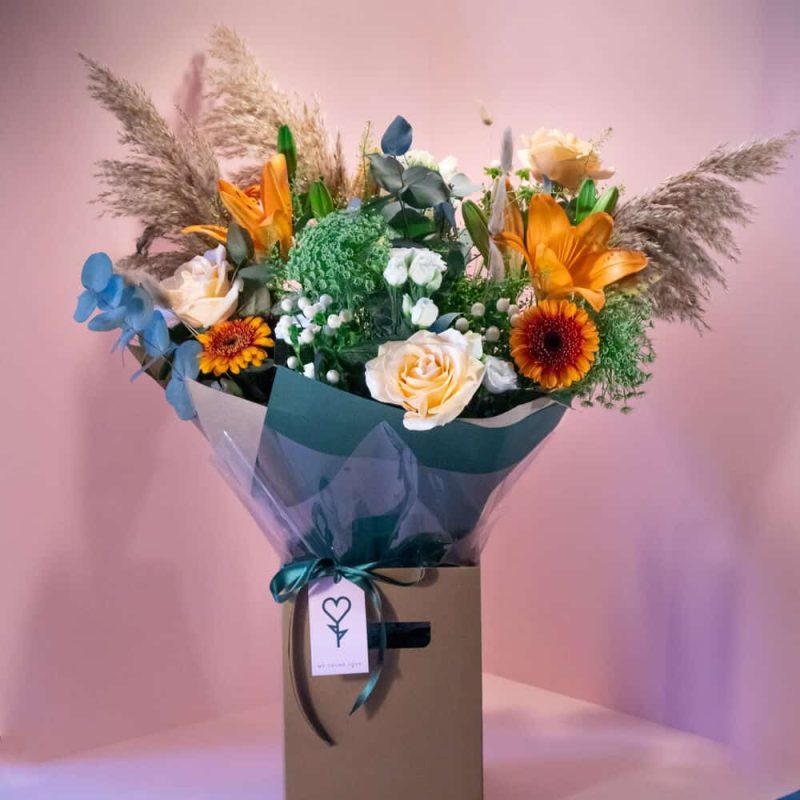
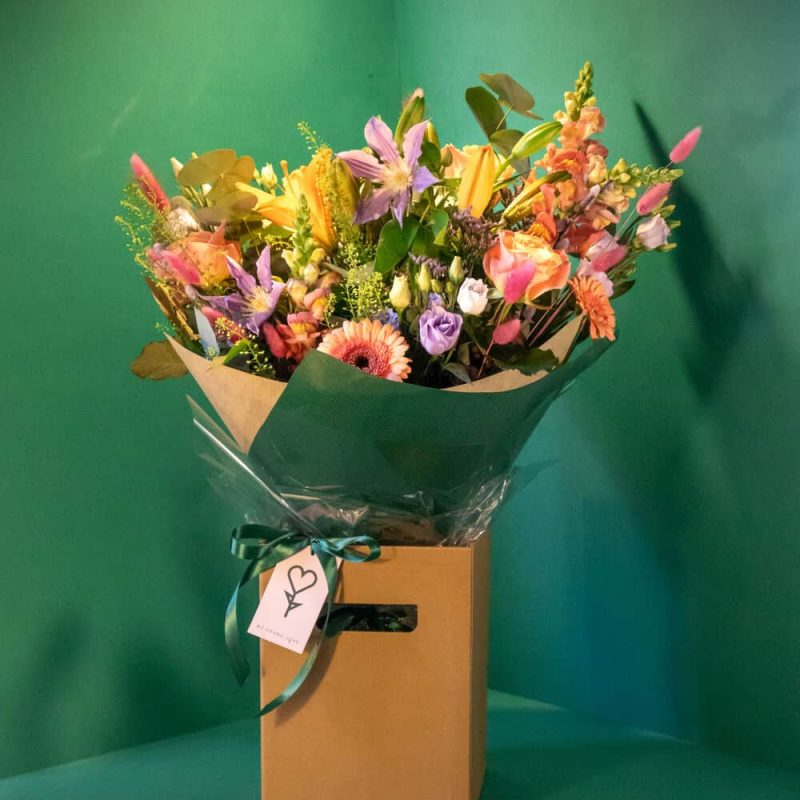
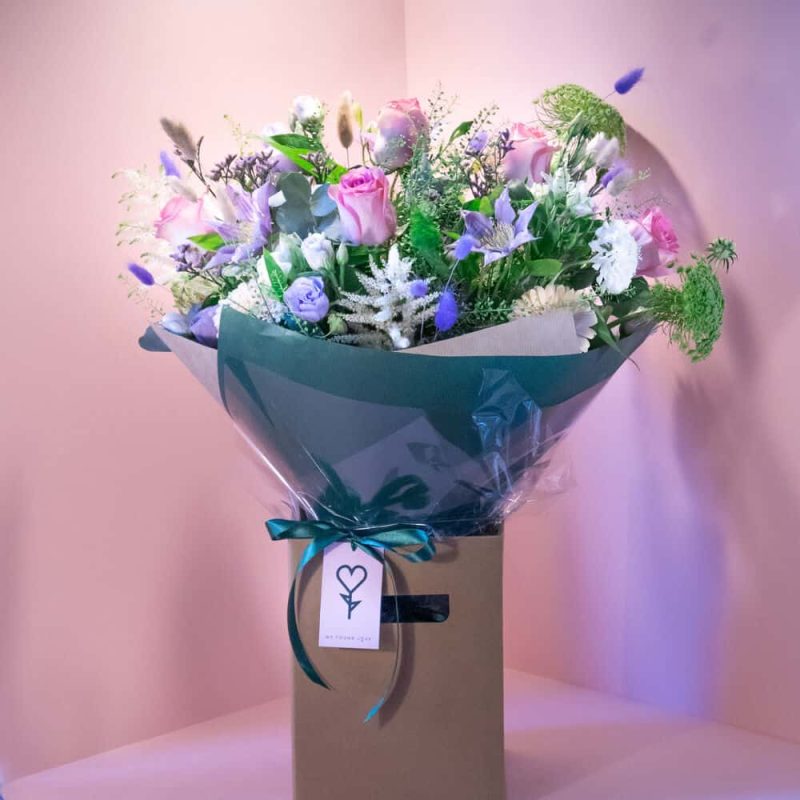
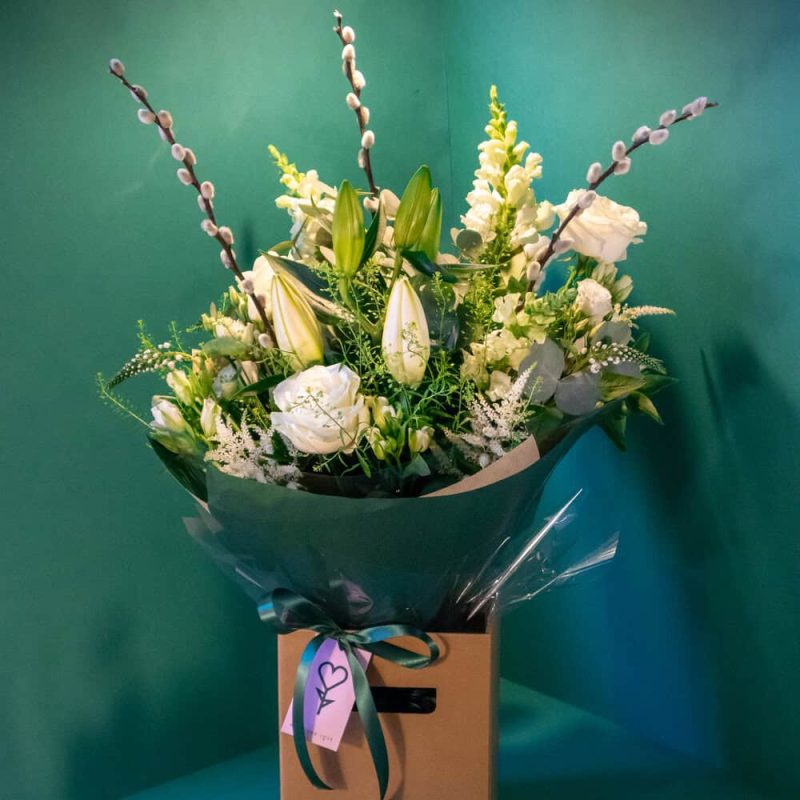
Flowers bring a touch of natural beauty into our lives, whether as a gift, a centrepiece, or a reminder of a special occasion. However, keeping them fresh and vibrant for as long as possible can be a challenge, especially in Aberdeen’s unique climate. In this comprehensive guide, we’ll explore the best methods for preserving fresh flowers, delve into the art of drying and pressing flowers at home, discuss the benefits of using flower preservatives, and share expert tips from Aberdeen florists on how to make your flowers last longer. By the end, you’ll have all the knowledge you need to extend the life of your blooms, ensuring they bring joy for as long as possible.
Best Methods for Preserving Fresh Flowers in Aberdeen’s Climate, Tips from Aberdeen Florists
Aberdeen’s weather, characterized by cool temperatures, high humidity, and frequent rainfall, can pose challenges for preserving fresh flowers. However, with the right techniques, you can keep your blooms looking fresh and vibrant.
1. Keep Flowers in a Cool, Humid Environment
Flowers thrive in a cool, humid environment, which makes Aberdeen’s climate somewhat favorable for extending their freshness. However, it’s important to avoid exposing flowers to sudden temperature changes, such as moving them from a cool outdoor environment into a heated indoor space.
- Tip: Place your flowers in a cool room, away from direct sunlight, heating vents, and drafts. Ideal temperatures range from 10°C to 18°C (50°F to 65°F).
2. Change the Water Regularly
Stagnant water can quickly lead to bacterial growth, which is a common cause of flowers wilting prematurely. Regularly changing the water in your vase is essential to keeping your flowers fresh.
- Tip: Change the water every two days, and ensure the vase is clean before refilling it. Consider adding a few drops of bleach to the water to inhibit bacterial growth.
3. Trim the Stems
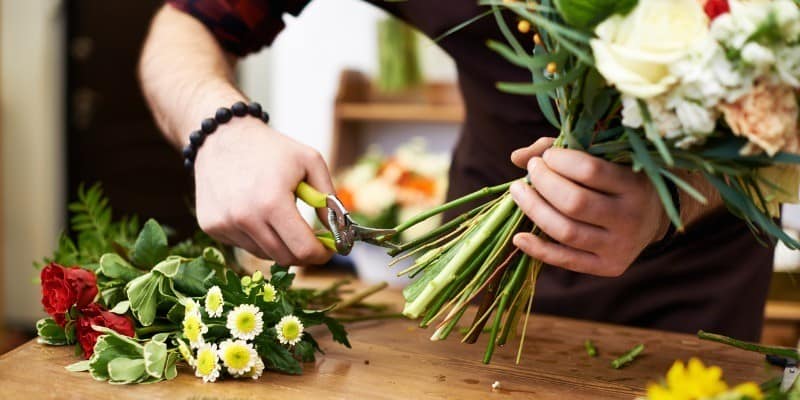
Cutting the stems of your flowers at an angle helps them absorb water more efficiently, which is crucial for their longevity. This is especially important in Aberdeen, where cooler temperatures can slow down water uptake.
- Tip: Use sharp scissors or a knife to cut about 1-2 cm off the stems every few days. Cutting at a 45-degree angle increases the surface area for water absorption.
4. Use Flower Preservatives
Flower preservatives are a great way to extend the life of your blooms. These solutions contain a mix of nutrients, a biocide to kill bacteria, and a substance that lowers the pH of the water, making it easier for flowers to absorb.
- Tip: You can purchase commercial flower preservatives, or make your own using a mixture of sugar, vinegar, and bleach. Add a teaspoon of sugar, a few drops of bleach, and a teaspoon of vinegar to each litre of water.
5. Remove Wilting Flowers Promptly
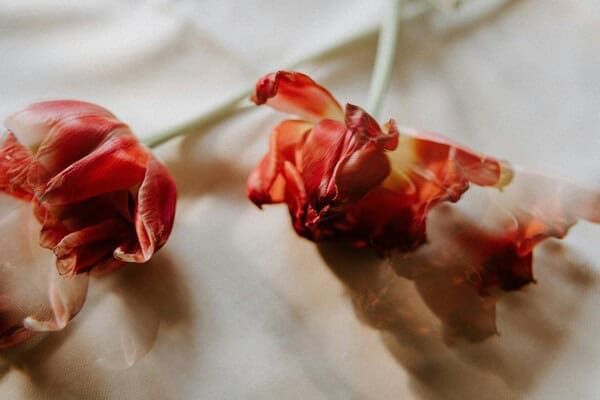
Wilting flowers release ethylene gas, which can accelerate the ageing process of the other blooms in the arrangement. To prevent this, it’s important to remove any wilting or dying flowers as soon as you notice them.
- Tip: Check your arrangement daily and remove any flowers that show signs of wilting, such as drooping petals or browning edges.
6. Mist Flowers Regularly
Misting flowers with water can help maintain their freshness, especially in a dry indoor environment. This is particularly beneficial for flowers with large, exposed petals, such as lilies and roses.
- Tip: Use a spray bottle to lightly mist your flowers with water once or twice a day. Avoid over-misting, as excessive moisture can promote mould growth.
7. Avoid Direct Sunlight and Heat Sources
While flowers need light, direct sunlight can be too harsh and cause them to wilt faster. Similarly, placing flowers near heat sources such as radiators or appliances can dry them out.
- Tip: Place your flowers in a well-lit area that receives indirect sunlight, and keep them away from heat sources.
How to Dry and Press Flowers at Home Tips from Aberdeen Florists
Preserving flowers by drying or pressing them is a wonderful way to create lasting mementoes. Whether you’re looking to save a special bouquet or create beautiful floral art, here’s how you can dry and press flowers at home.
1. Air Drying Flowers
Air drying is one of the simplest and most effective methods for preserving flowers. This method works best for flowers with sturdy stems and blooms, such as roses, lavender, and baby’s breath.
Steps for Air Drying Flowers:
- Select Your Flowers: Choose flowers that are just beginning to bloom. Fully open flowers may lose their petals during the drying process.
- Remove Excess Foliage: Strip the leaves from the stems to prevent them from becoming brittle and falling off.
- Bundle the Flowers: Gather the flowers into small bunches and tie them together with a rubber band or string.
- Hang the Bunches Upside Down: Find a cool, dry, and dark place to hang your flowers, such as a closet or an attic. Hang them upside down to maintain their shape.
- Wait for the Flowers to Dry: It typically takes about two to three weeks for the flowers to fully dry. Once dry, they should feel papery to the touch.
Tips for Air Drying:
- Use silica gel for delicate flowers: If you’re drying delicate flowers like daisies or peonies, consider using silica gel. Bury the flowers in silica gel for a faster and more effective drying process.
- Preserve the colour: To preserve the vibrant colours of your flowers, dry them in a dark place. Light can cause colours to fade.
2. Pressing Flowers
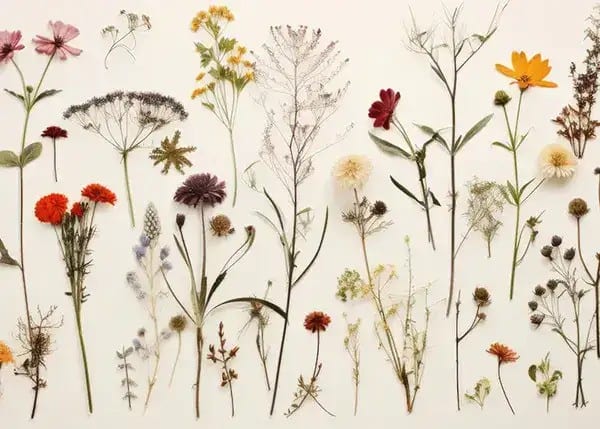
Pressing flowers is a traditional method that flattens the flowers while preserving their colour and structure. This method is ideal for creating framed art, bookmarks, or handmade cards.
Steps for Pressing Flowers:
- Choose Your Flowers: Select flowers that are relatively flat and not too thick. Flowers like pansies, violets, and daisies are ideal for pressing.
- Prepare the Flowers: Place the flowers between two sheets of blotting paper or parchment paper. Arrange them in the desired position, as they cannot be repositioned once pressed.
- Press the Flowers: Place the flowers and paper between the pages of a heavy book. Add additional weight on top, such as more books or a brick, to ensure consistent pressure.
- Wait for the Flowers to Press: Leave the flowers in the press for at least two weeks. After this time, check to see if they are completely dry and pressed. If not, leave them for a few more days.
Tips from Aberdeen Florists for Pressing:
- Use a flower press for faster results: If you press flowers frequently, consider investing in a flower press, which applies more consistent pressure and speeds up the drying process.
- Enhance colours: To enhance the colours of pressed flowers, you can place them in a warm, dry area for a few hours before pressing.
The Benefits of Using Flower Preservatives Tips from Aberdeen Florists
Flower preservatives play a crucial role in extending the life of cut flowers. They provide the essential nutrients that flowers need to stay fresh and vibrant for longer periods.
1. Nutrient Supply
Cut flowers are severed from their source of nutrients, which can cause them to wilt quickly. Flower preservatives contain essential nutrients, such as sugar, that help nourish the flowers and extend their lifespan.
- Tip: Always add flower preservatives to the water when you first arrange your flowers, and replace the solution every few days.
2. Bacteria Inhibition
Bacteria can quickly multiply in the water, clogging the stems of flowers and preventing them from absorbing water. Flower preservatives often contain biocides that inhibit the growth of bacteria, keeping the water cleaner for longer.
- Tip: If you don’t have a commercial flower preservative, you can make your own using a mixture of water, sugar, and a few drops of bleach.
3. pH Balance
The pH level of the water affects how well flowers absorb water. Most flowers prefer slightly acidic water, which allows for better hydration. Flower preservatives help maintain the ideal pH level for flowers.
- Tip: Add a teaspoon of vinegar to your flower water to lower the pH if you’re not using a commercial preservative.
4. Longevity of Blooms
Using flower preservatives can significantly increase the longevity of your blooms. Flowers treated with preservatives can last up to 50% longer than those kept in plain water.
- Tip: For best results, cut the stems at an angle before placing them in the water with preservatives, ensuring maximum water uptake.
Expert Tips from Aberdeen Florists on Making Flowers Last Longer
Aberdeen’s florists are experts in flower care, and they have a wealth of knowledge on how to make flowers last longer. Here are some top tips from the florists at We Found Love Florist.
1. Choose Fresh Flowers
The key to long-lasting flowers starts with selecting the freshest blooms. When choosing flowers, look for ones with firm petals, vibrant colours, and healthy stems.
- Tip: At We Found Love Florist, we source only the freshest flowers, ensuring your arrangement starts with the best possible blooms.
2. Use Clean Vases
A clean vase is essential for keeping your flowers fresh. Dirty vases can harbour bacteria, which can quickly cause your flowers to wilt.
- Tip: Wash your vase with hot, soapy water and rinse thoroughly before adding fresh water and your flowers.
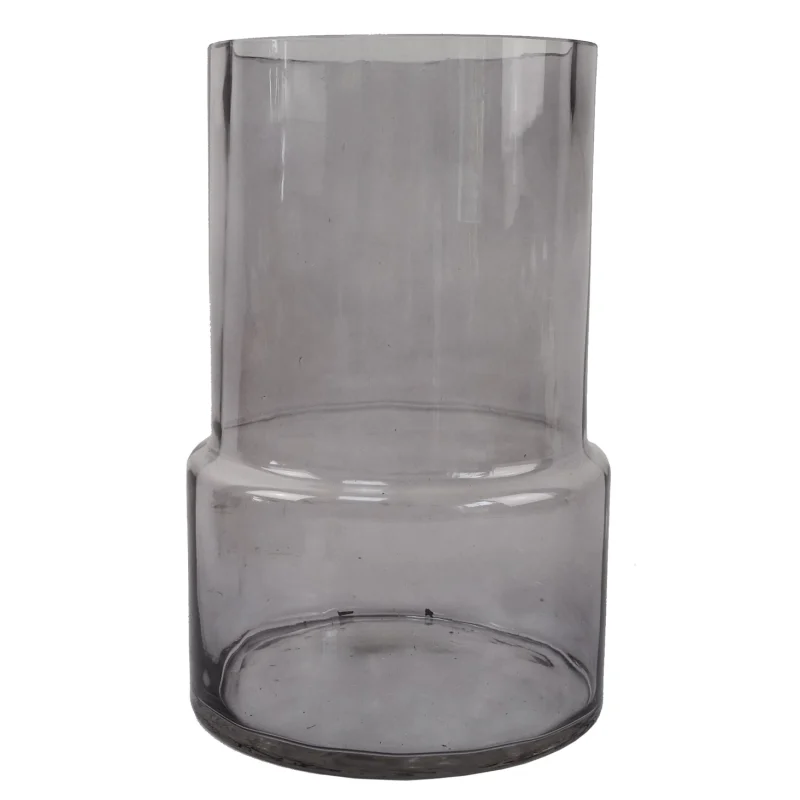
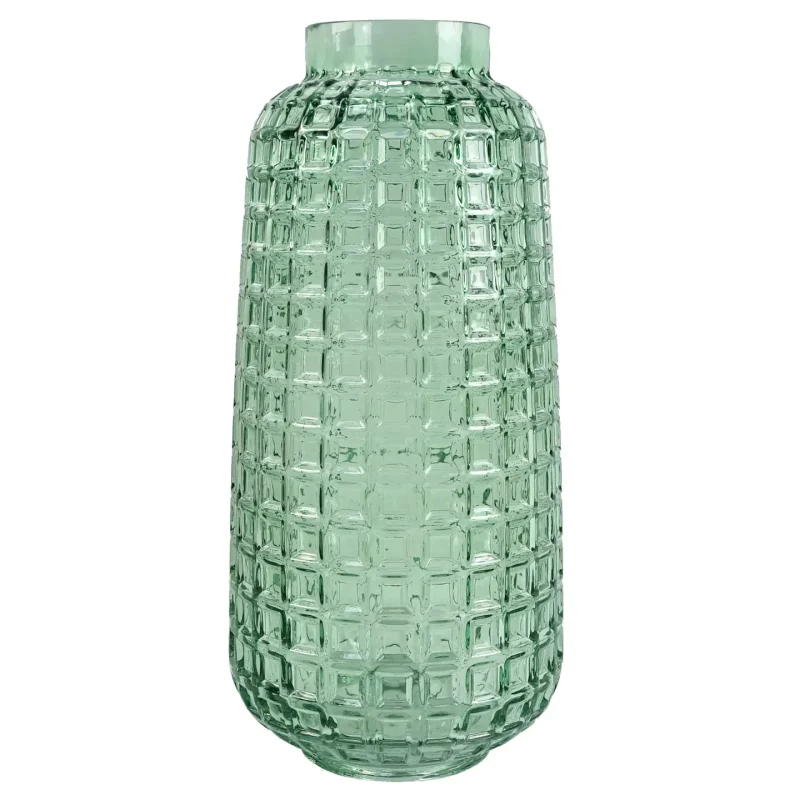
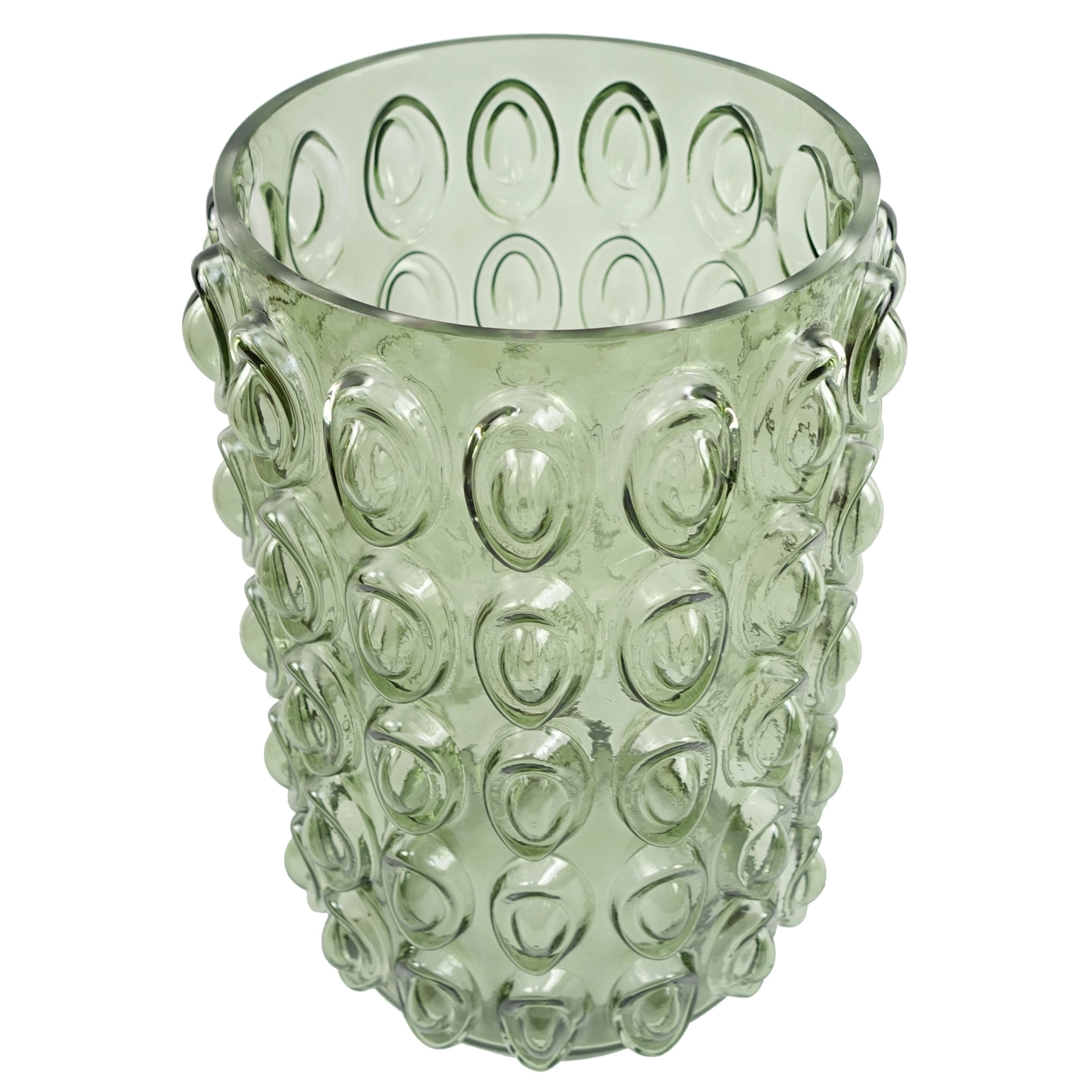
Green Retro Bubble Vase
3. Cut Stems at an Angle
Cutting stems at an angle allows for better water absorption. This technique prevents the stems from sitting flat at the bottom of the vase, which can block water uptake.
- Tip: Re-cut the stems every few days to keep the flowers hydrated and fresh.
4. Avoid Crowding Flowers
Crowding flowers in a vase can restrict airflow and water absorption, causing them to wilt faster. Arrange flowers loosely to give them space to breathe.
- Tip: Use a vase that is appropriately sized for the number of flowers you have, ensuring each stem has enough room.
5. Remove Excess Leaves
Leaves that sit below the waterline can rot and create bacteria in the water, which shortens the life of your flowers. Remove any leaves that will be submerged in the water.
- Tip: Strip the lower leaves from each stem before placing them in the vase to prevent bacterial growth.
6. Avoid Fruit
Fruits, especially apples and bananas, release ethylene gas, which can cause flowers to age prematurely. Keep your flower arrangements away from fruit bowls.
- Tip: Store fruits in a different room to avoid exposing your flowers to ethylene gas.
7. Use Flower Food
Flower food is specifically designed to nourish flowers and extend their lifespan. It contains a mix of sugar, biocides, and acidifiers that help keep your flowers fresh.
- Tip: Always add the flower food that comes with your bouquet to the water, and top up the solution as needed.
8. Refrigerate Overnight
If possible, place your flowers in the fridge overnight. The cool temperature slows down the aging process, helping your flowers stay fresh for longer.
- Tip: Set your fridge to a temperature between 4°C and 7°C (39°F and 45°F), and avoid placing flowers near fruits or vegetables.
9. Remove Wilting Flowers Promptly
Wilting flowers release ethylene gas, which can cause other flowers in the arrangement to age more quickly. Removing wilting flowers promptly helps keep the rest of the bouquet fresh.
- Tip: Inspect your bouquet daily and remove any flowers that show signs of wilting.
Additional Techniques for Flower Preservation Tips from Aberdeen Florists
If you’re looking to preserve your flowers for longer or create lasting keepsakes, there are a few additional techniques you can try.
1. Glycerin Preservation
Glycerin preservation involves replacing the water in the flowers with glycerin, a process that keeps them soft and pliable. This method is especially useful for preserving larger blooms or foliage.
- Tip: Mix one part glycerin with two parts hot water, then submerge the stems of your flowers in the solution. Allow the flowers to absorb the mixture for two to three weeks.
2. Microwave Drying
Microwave drying is a quick and effective method for drying flowers. This technique is ideal for preserving small, delicate blooms.
- Tip: Place your flowers between two sheets of absorbent paper and microwave on a low setting for 1-3 minutes. Check the flowers frequently to avoid over-drying.
3. Wax Dipping
Wax dipping involves coating flowers in melted wax to preserve their shape and colour. This method is often used for preserving roses and other large blooms.
- Tip: Melt paraffin wax in a double boiler, then dip each flower head into the wax. Shake off the excess and hang the flowers upside down to cool.
4. Vacuum Sealing
Vacuum sealing is a modern method of flower preservation that removes air from around the flowers, slowing down the aging process. This technique is often used for preserving wedding bouquets or other special arrangements.
- Tip: Place your flowers in a vacuum-sealable bag and use a vacuum sealer to remove the air. Store the sealed flowers in a cool, dark place.
Conclusion
Preserving flowers is both an art and a science, especially in Aberdeen’s unique climate. Whether you’re looking to extend the life of a fresh bouquet, create dried floral arrangements, or preserve special memories, these tips and techniques from We Found Love Florist will help you achieve beautiful, lasting results. From proper care and maintenance to advanced preservation methods, you can enjoy the beauty of flowers long after they’ve been cut.
For all your floral needs, from fresh bouquets to preservation advice, visit We Found Love Florist at 190 Rosemount Place, Aberdeen AB25 2XQ, or explore our offerings online at wefoundlove.co.uk. Our expert florists are always here to help you make the most of your flowers, ensuring they bring joy and beauty into your life for as long as possible.